
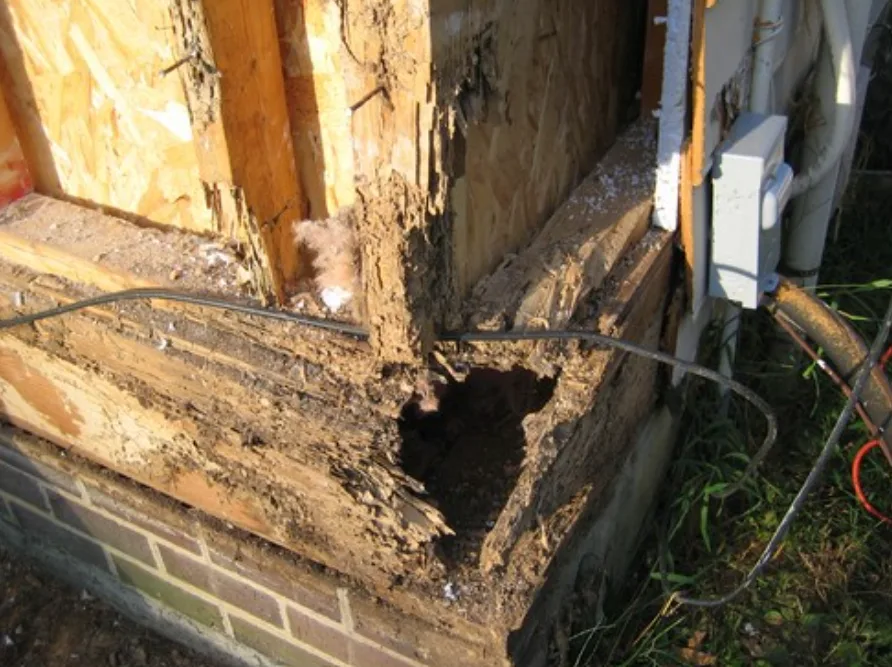
Termites and Recurring Pest Control: Keeping Your Tyler Home Safe
November 5, 2026
Why Year-Round Pest Protection Matters in Tyler, TX
Tyler homeowners know that pests are not a seasonal concern. The warm, humid climate of East Texas creates conditions where insects and other pests remain active throughout much of the year. Termites, in particular, do not take a break between seasons. Without a consistent plan in place, a small pest problem can quietly grow into a significant and expensive issue before most homeowners even notice the signs.
That is why pairing quarterly pest control service with periodic termite inspections is one of the most effective strategies available to Tyler residents who want to stay ahead of potential infestations.
What Quarterly Pest Control Service Covers
A recurring quarterly service plan means a pest control professional visits your home four times a year to treat and monitor for common pests. This consistent schedule provides several important benefits.
- Continuous barrier protection: Treatments applied around the exterior of your home help prevent pests from gaining entry in the first place.
- Early detection: Regular visits mean a trained technician is looking at your property multiple times a year, making it more likely that a new pest activity is caught early.
- Reduced reliance on reactive treatments: Staying on a routine schedule means you are not waiting until an infestation becomes visible and established before taking action.
- Coverage for a wide range of pests: Quarterly service typically addresses common household pests such as ants, roaches, spiders, and other invaders that are common in the Tyler area.
Consistency is the key. A single treatment can help in the short term, but pests are persistent. A quarterly schedule maintains that protective layer around your home throughout the entire year.
Adding Termite Inspections to Your Service Plan
Termites are in a category of their own when it comes to the potential damage they can cause. These insects feed on wood and can silently compromise the structural integrity of a home over time. Because termites often work inside walls, beneath flooring, and in crawl spaces, homeowners may not realize there is a problem until the damage is already done.
Adding termite inspections to your existing pest control plan creates an important layer of protection that general pest treatments alone do not fully address. During a termite inspection, a technician specifically looks for:
- Mud tubes along foundation walls or other surfaces
- Damaged or hollow-sounding wood in key areas of the home
- Discarded wings near windows, doors, or other entry points
- Moisture issues that may make certain areas of your home more attractive to termites
Catching signs of termite activity early gives you far more options and significantly reduces the scope of any necessary treatment compared to discovering an advanced infestation.
How the Two Work Together
Think of quarterly pest control and termite inspections as complementary layers of defense. Your routine service keeps everyday pests managed and your technician familiar with your property. Termite inspections then dive deeper into the specific threat that termites represent, ensuring nothing is being missed between general service visits.
For Tyler homeowners, this combination means your home is being monitored and protected from multiple angles throughout the year rather than relying on a single annual treatment or waiting until a problem appears.
Talk to Dang Pest Control About a Plan That Works for You
At Dang Pest Control, we serve homeowners throughout the Tyler area and understand the specific pest pressures that come with living in East Texas. If you are interested in setting up a quarterly service plan or adding a termite inspection to your current service, reach out to our team today to find out what options are available for your home.
Need help with this at your place? See our East Texas pest control services or call (903) 871-0550.